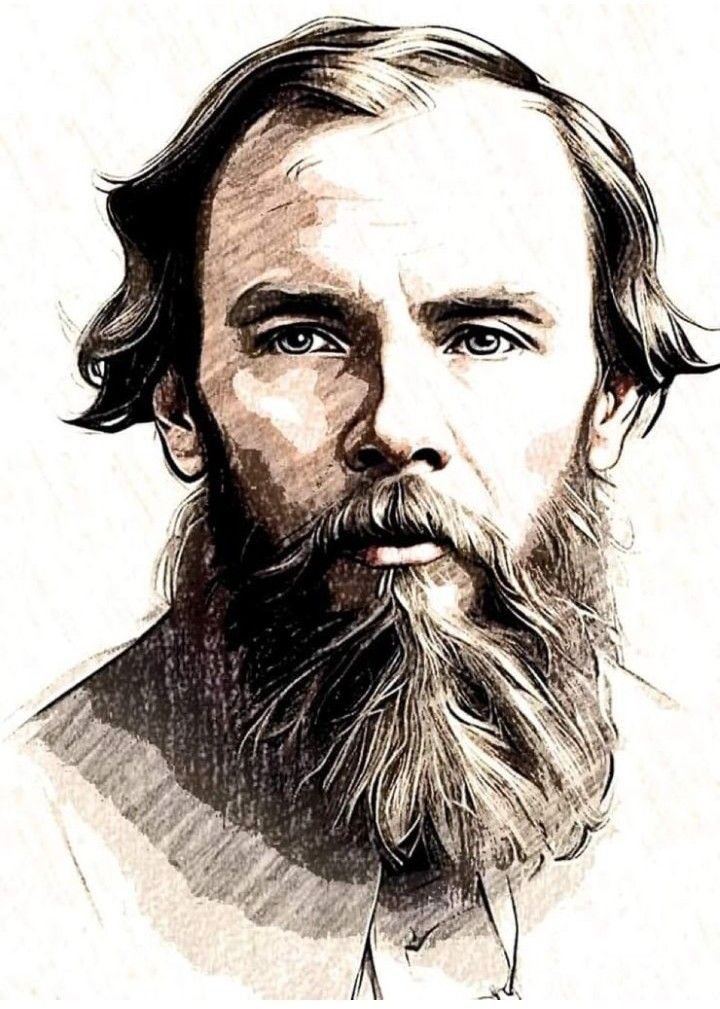
The contract with Stellovsky
In 1865, Dostoevsky lost money gambling again and found himself in serious financial trouble. To raise money, he signed a contract with the publisher Fyodor Stellovsky. The contract required him to deliver a new novel by 1 November 1866.
In a letter written in June 1866, Dostoevsky explained that if he missed the deadline, Stellovsky would be able to publish what Dostoevsky wrote for the next nine years without paying him.
There was already another novel
At the same time, Dostoevsky was still working on Crime and Punishment, which was being published during 1866.
He therefore had to finish the new book for Stellovsky without stopping work on Crime and Punishment.
Dostoevsky and gambling
Dostoevsky himself had serious problems with gambling. During his trips to Western Europe, roulette repeatedly pulled him into losses and debt, so the subject of The Gambler was closely connected to his own experience.
He knew the excitement, hope and loss of control around gambling firsthand. His gambling problems did not end when the book was finished.
The financial crisis and the subject of the novel were directly connected: gambling had helped create the pressure under which The Gambler was written.
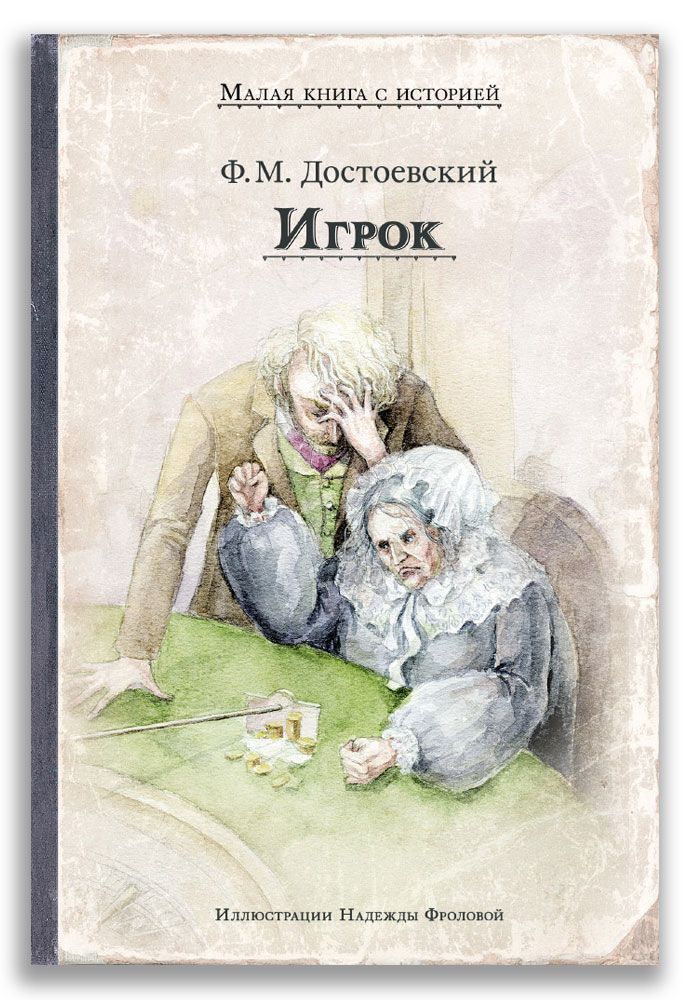
The Gambler — «Игрок»
The novel grew out of a deadline crisis, but its subject was also deeply personal for Dostoevsky.
4 October: Anna arrives
On 4 October 1866 (Old Style), twenty-year-old Anna Snitkina came to Dostoevsky as a stenographer. The Dostoevsky Museum records this as the day he began dictating The Gambler.
Stenography made a different working rhythm possible: Dostoevsky could dictate the text instead of writing every page by hand himself.
How they worked
Dostoevsky dictated; Anna took the text down in shorthand and prepared it in normal writing. The collaboration allowed the manuscript to move much faster than Dostoevsky’s usual handwritten process.
Anna comes to Dostoevsky. He begins dictating The Gambler.
The novel is produced under extraordinary time pressure.
The museum chronology records completion on 31 October (Old Style).
In a letter dated 2 November, Dostoevsky wrote that he had finished on the 31st and delivered the novel the previous day.
The novel was finished on time
Dostoevsky completed The Gambler — «Игрок» — by the deadline and avoided the contractual penalty. He could then return to finishing Crime and Punishment.
The Dostoevsky Museum chronology states that the novel was written in 26 days.
What happened after The Gambler
The collaboration did not end with The Gambler. On 3 November, Dostoevsky asked Anna to stenograph the final part of Crime and Punishment. On 8 November, according to the museum chronology, he proposed to her.
They married in February 1867. Anna later became one of the most important partners in Dostoevsky’s literary life.
Useful Russian from the story
Build your own vocabulary list. Add only the words you want to remember, then copy them in a format you can import into Quizlet.
The 26-day deadline challenge
Put the six events from the article in chronological order. The dates are hidden until you finish.
Put the events in order
Click every card once, from the earliest event to the latest.
Imagine you also have 26 days to finish something important. Write 2–3 sentences in Russian. Что вам нужно закончить? Когда срок? Кто может вам помочь?
In a free 30-minute trial, we can discuss your level, the authors you are interested in and how literature could fit into your Russian lessons.