
Pushkin and Dostoevsky are familiar names to many Russian learners. But what about more recent books? Contemporary Russian fiction takes us into Moscow apartments, classrooms, police investigations and family histories.
This selection moves from short reading practice to detective stories, fantasy and literary novels. I’ve grouped the books by the level of Russian you may need to read them.
The recommendations refer to the original Russian texts. At earlier levels, an excerpt or an adapted edition may be a sensible place to begin.
The A1–C2 levels are my recommendations for reading Russian. Publishers do not assign CEFR levels to these books. Before buying, read a sample page to see how much vocabulary, dialogue and cultural context you can follow.
Where to buy: The links below lead to specific book editions. Listings and prices can change. Payment with a foreign bank card, regional eBook rights and international shipping depend on your country and are not guaranteed. Print links are shown only where a purchase option was found at the time of checking.
How to choose a modern Russian book
Check an actual page
Read a short sample. Can you understand who is speaking and what happens without looking up every word?
Look at the dialogue
Modern fiction often uses shortened sentences, jokes, slang and nicknames that you may not know from lessons.
Decide on your reading goal
For everyday speech, look at stories about families or city life. Historical novels introduce longer descriptions and vocabulary from another period.
Choose the right edition
Check whether the book is abridged, adapted for learners or printed in full. The reading experience can be very different.
A1–A2: Start with short guided texts
At A1
A complete modern Russian novel or detective story in the original is usually too difficult at A1. Start with very short adapted passages selected for the vocabulary and grammar you already know.
At A2
At A2, you can work with a short adapted detective scene: introduce the people involved, identify what happened, and follow simple questions about the mystery.
Choose adapted material or a short passage prepared by your teacher.
O. E. Chubarova (О. Э. Чубарова)
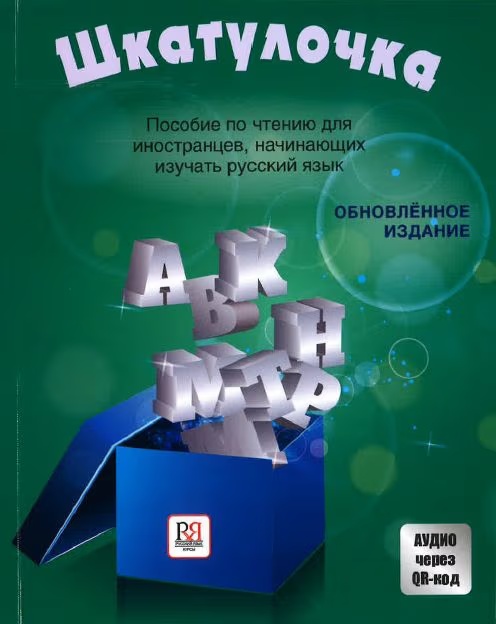
«Шкатулочка» (Shkatulochka · Reading practice book)
Around one hundred short texts with exercises for reading, grammar review and speaking.
The short texts fit into a single study session, with time left for discussion. At A1, focus on understanding the passage; at A2, use the exercises to revisit grammar and practise speaking.
B1: Stories, humour and everyday dialogue
At B1, selected chapters of a detective story or a novel about teenagers are a manageable next step. The plot helps you keep your place, even when a joke or colloquial expression needs explaining.
Valery Gusev (Валерий Гусев)
The «Чёрный котёнок» (Black Kitten) detective series offers mysteries with young protagonists. The suggested B1 level is for supported reading of selected chapters; it is not an official reading level for the original editions.
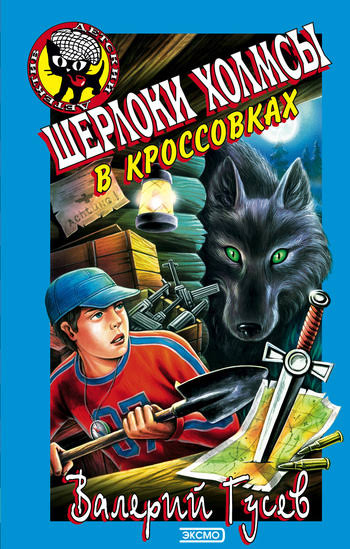
«Шерлоки Холмсы в кроссовках» (Sherlock Holmeses in Sneakers)
Young investigators follow clues and attempt to solve a mystery in this instalment of the «Чёрный котёнок» series.
Read a chapter and note how the characters ask questions, discuss clues and respond to one another. You may need to look up colloquial expressions.
Andrey Zhvalevsky and Evgeniya Pasternak (Андрей Жвалевский и Евгения Пастернак)
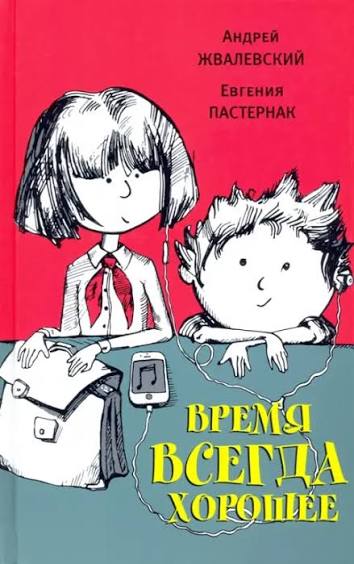
«Время всегда хорошее» (Every Time Is a Good Time)
Two schoolchildren from different decades find themselves living in each other’s time. At school and at home, they encounter habits and technology unfamiliar to them.
Conversations at school and at home reveal differences between the two periods. Read a chapter at a time, noting what changes in the children’s vocabulary and routines.
Where to start at B1
For a first detective story, the «Чёрный котёнок» (Black Kitten) series offers short stretches of dialogue built around questions and clues. Keep a dictionary nearby for colloquial expressions.
For something longer, «Время всегда хорошее» by Andrey Zhvalevsky and Evgeniya Pasternak moves between two generations of teenagers.
B2: Modern cities and spoken Russian
At B2, you can follow longer conversations in adult fiction. The books below include slang, jokes and cultural references that may need a second look.
Narine Abgaryan (Наринэ Абгарян)
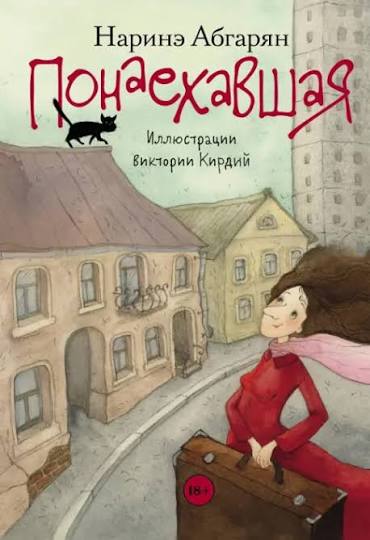
«Понаехавшая» (The Newcomer)
A young woman leaves Armenia and tries to make a life in Moscow. Work, friends and the unfamiliar routines of the capital become part of her everyday story.
The narrator describes moving, work and relationships in lively, conversational Russian, often making fun of uncomfortable situations. Some phrases are distinctly colloquial.
Alexey Ivanov (Алексей Иванов)
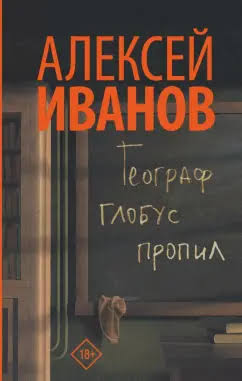
«Географ глобус пропил» (The Geographer Drank His Globe Away)
Viktor Sluzhkin, a man struggling to find his place in life, begins teaching geography at a school in Perm. His relationships with students, colleagues and family become increasingly complicated.
Schoolroom conversations contain lively colloquial language, irony and changing tones of address. The regional setting and occasional slang make the text harder than a typical B2 textbook.
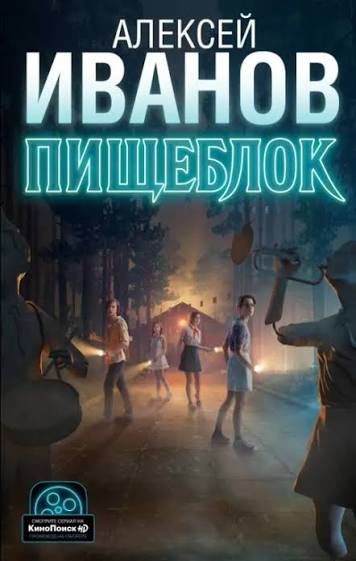
«Пищеблок» (The Food Block)
During a summer at a Soviet pioneer camp, children and counsellors begin to notice increasingly strange events. The ordinary camp routine gradually turns into a supernatural mystery.
The mystery gives you a reason to keep reading. Expect teenage speech, vocabulary from Soviet pioneer camps and some conventions of horror fiction.
Alexandra Marinina (Александра Маринина)
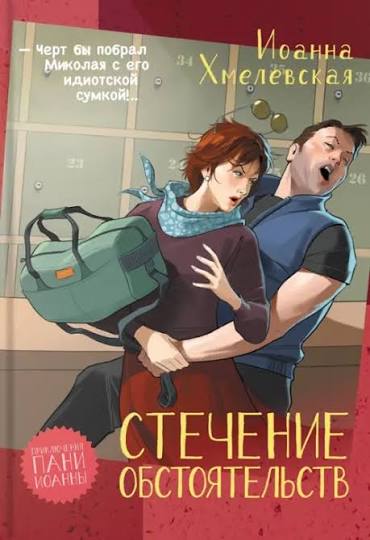
«Стечение обстоятельств» (A Combination of Circumstances)
Part of Alexandra Marinina’s detective series featuring Anastasia Kamenskaya.
Investigator Anastasia Kamenskaya identifies a professional killer, but proving his guilt is far more difficult. She has to deal with a dangerous man while searching for evidence that will stand up to scrutiny.
Interviews and conversations provide examples of spoken Russian, while the investigation introduces police terminology. Start with a few chapters if the full novel feels dense.
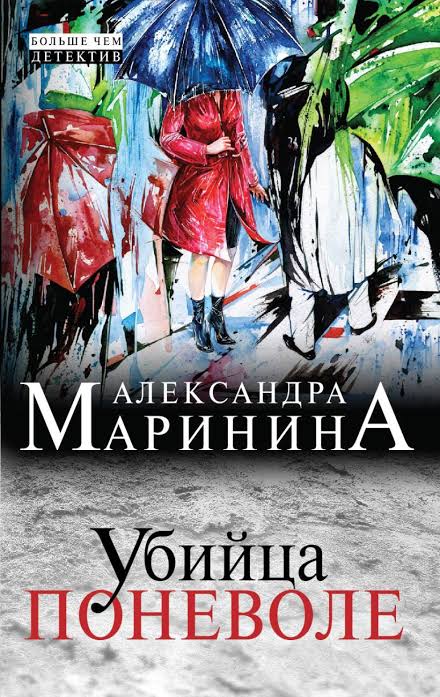
«Убийца поневоле» (An Accidental Killer)
Anastasia Kamenskaya becomes involved in another investigation where an apparently straightforward situation hides a more complicated set of motives.
Police conversations and everyday details move the case forward. You will encounter investigative vocabulary and need to keep track of several connected threads.
Where to start at B2
«Понаехавшая» introduces life in Moscow through a newcomer’s eyes. «Географ глобус пропил» has sharper schoolroom dialogue and a more complicated story. For crime fiction, selected chapters of «Стечение обстоятельств» introduce interviews and investigative vocabulary.
«Убийца поневоле» continues the detective theme with police procedure and dialogue. «Пищеблок» moves into supernatural suspense at a Soviet summer camp.
C1: Families, memory and historical fiction
The C1 books move across different cities, generations and historical periods. Many have several central characters and long descriptive passages.
Evgeny Vodolazkin (Евгений Водолазкин)
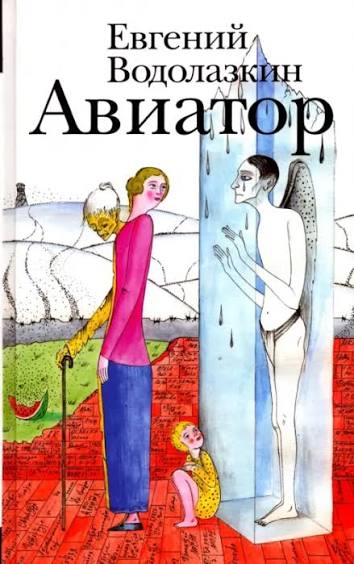
«Авиатор» (The Aviator)
Innokenty Platonov wakes in a hospital without understanding how he arrived there. As he begins to record his memories, the story moves between different periods of Russian history.
The story moves through diary entries and memories, so keep an eye on dates and changes of period. Personal recollections sit alongside historical and scientific vocabulary.
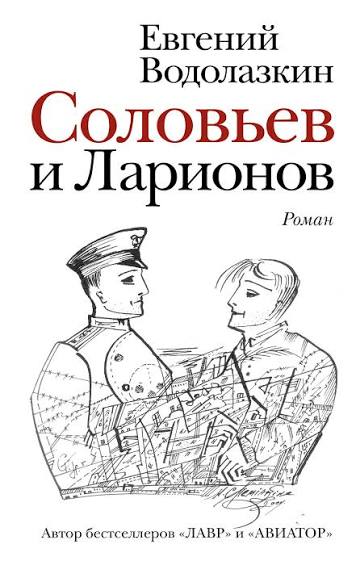
«Соловьёв и Ларионов» (Solovyov and Larionov)
A young historian researches a mysterious White Army general and tries to reconstruct his life from scattered evidence. His research gradually becomes entangled with his own story.
The research scenes introduce archival language and historical references. You also have to follow the transitions between the general’s past and the historian’s present.
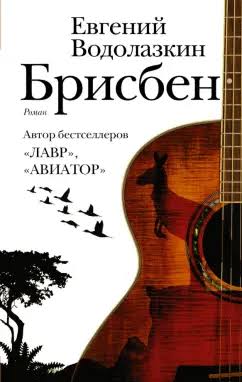
«Брисбен» (Brisbane)
A successful guitarist faces changes in his life that make him look back at his family and childhood. Scenes from different periods gradually build his story.
Pay attention to transitions between time periods, musical vocabulary and shifts in the protagonist’s outlook. The reflective passages are more demanding than the dialogue.
Alexandra Marinina (Александра Маринина)
«Игра на чужом поле» (Playing on Someone Else’s Turf)
Anastasia Kamenskaya becomes entangled in the activities of a dangerous criminal group. To uncover what is happening, she must negotiate with people whose motives she cannot trust.
Police procedure and tense conversations carry much of the plot. Idiomatic speech and the changing relationships between characters make the investigation demanding to follow.
Viktor Pelevin (Виктор Пелевин)

«Омон Ра» (Omon Ra)
A young man dreams of becoming a cosmonaut and enters a training system with increasingly disturbing rules. The story turns the imagery of Soviet space exploration into dark satire.
Pelevin plays with Soviet slogans, institutions and the language of space exploration. Some of the jokes only become clear when you know the historical background.
Dina Rubina (Дина Рубина)

«На солнечной стороне улицы» (On the Sunny Side of the Street)
The novel traces the lives of a mother and daughter in Tashkent through family conflicts, art and memories of the city. Their experiences unfold across different years.
Rubina moves between personal memories and the cultural life of Tashkent. Notice the shifts in narrative voice and the colloquial language of family conversations.
Lyudmila Ulitskaya (Людмила Улицкая)
Lyudmila Ulitskaya is listed in Russia’s register of foreign agents (since 1 March 2024). The books below are marked 18+ in the checked editions.
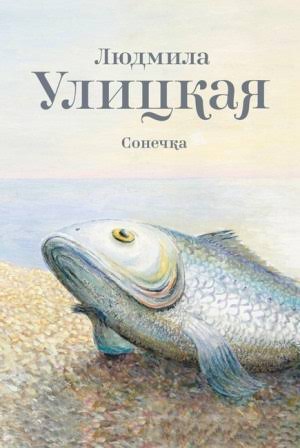
«Сонечка» (Sonechka)
Sonechka, a quiet young woman who loves reading, marries an older artist and builds a family life around him and their daughter. Over time, the relationships within the family change.
Although «Сонечка» is relatively short, it covers years of family life. Pay attention to how Ulitskaya describes relationships and emotions through small details.
Status: Russian Ministry of Justice ↗
Sergey Lukyanenko (Сергей Лукьяненко)
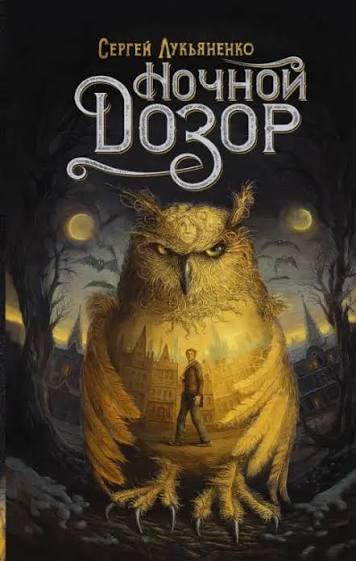
«Ночной дозор» (Night Watch)
Part of a series: Night Watch is the first novel in the main Watch (Дозоры) cycle. Reading order: «Ночной дозор» → «Дневной дозор» → «Сумеречный дозор» → «Последний дозор» → «Новый дозор» → «Шестой дозор». «Дневной дозор» was co-written with Vladimir Vasilyev. These titles are given for orientation; the purchase links below are for «Ночной дозор» only.
Anton Gorodetsky works for the Night Watch, an organisation that supervises the actions of supernatural beings in modern Moscow. As he becomes involved in a series of unusual events, he learns more about the uneasy balance between the forces of Light and Darkness.
Familiar Moscow streets sit alongside the fantasy world of the Others. The dialogue moves quickly, and the characters debate difficult moral choices. Confident B2 readers could begin with a few guided chapters.
Dmitry Glukhovsky (Дмитрий Глуховский)
Dmitry Glukhovsky is listed in Russia’s register of foreign agents (since 7 October 2022).
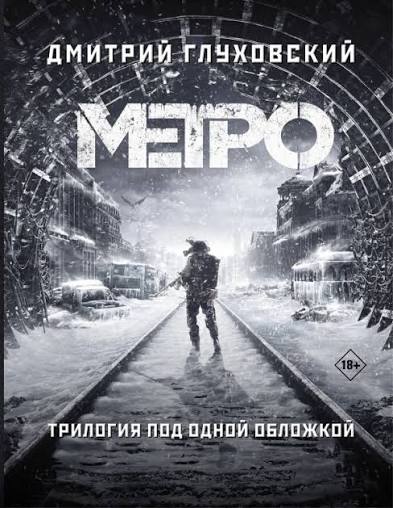
«Метро 2033» (Metro 2033)
Part of a trilogy: «Метро 2033» → «Метро 2034» → «Метро 2035». This recommendation covers the first novel; the other titles are shown to make the reading sequence clear. Other authors have written books set in the wider Metro 2033 universe.
After a devastating war, survivors shelter in the Moscow metro, where stations have become separate communities. A young man named Artyom sets out on a dangerous journey through the tunnels in search of help.
The underground setting introduces words for survival, conflict and the organisation of life in the stations, many of which have familiar Moscow names. Long descriptions and political debates make this a substantial C1 read.
Where to start at C1
«Игра на чужом поле» offers police investigations and colloquial dialogue. «Авиатор» moves through memories of different historical periods.
Pelevin’s «Омон Ра» draws on Soviet space mythology. Lukyanenko’s «Ночной дозор» opens the urban-fantasy «Дозоры» cycle; Glukhovsky’s «Метро 2033» begins a post-apocalyptic trilogy beneath Moscow. In Vodolazkin’s «Соловьёв и Ларионов» and «Брисбен», memory changes how events are told, while Rubina’s «На солнечной стороне улицы» explores family life in Tashkent.
For a shorter literary work about family life, try Ulitskaya’s «Сонечка» (18+).
C2: Language, history and literary experiments
The C2 books demand familiarity with Russian history, literary references and changes of register. A dictionary will help with individual words, but not always with the allusions behind them.
Evgeny Vodolazkin (Евгений Водолазкин)
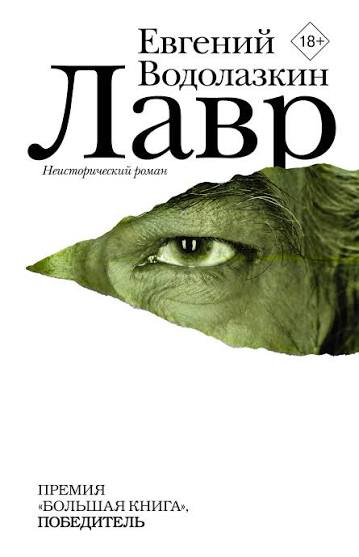
«Лавр» (Laurus)
In medieval Russia, a gifted healer travels through different places and stages of life while trying to make sense of loss and responsibility. His journey brings together ordinary encounters and questions of faith.
Vodolazkin moves between contemporary phrasing, older Russian forms and religious language. Historical notes can help you understand why the narration changes register.
Viktor Pelevin (Виктор Пелевин)

«Generation «П»» (Generation P)
A young man enters the advertising business during Russia’s turbulent 1990s. His work in television commercials draws him into an increasingly strange world.
Advertising slogans, English borrowings, slang and references to the 1990s are central to the humour. A cultural guide to the decade will help with many passages.
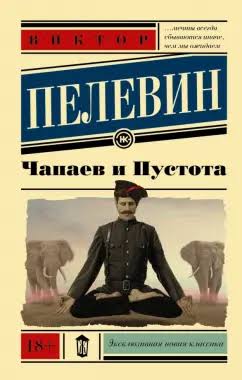
«Чапаев и Пустота» (Buddha’s Little Finger)
The narrator moves between a world associated with the Russian Civil War and a psychiatric hospital in the 1990s. The relation between these realities remains uncertain.
The story moves between historical settings and competing ideas of reality. Conversations are dense with philosophy, satire and literary references, many of which need cultural context.
Dina Rubina (Дина Рубина)
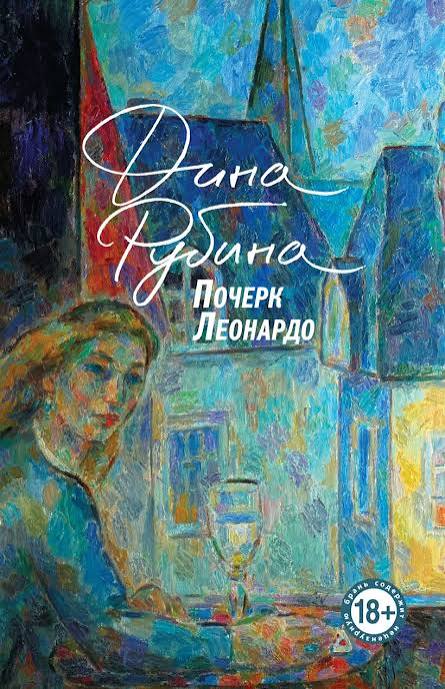
«Почерк Леонардо» (Leonardo’s Handwriting)
A woman with unusual abilities becomes the centre of a story told through different people and periods of her life. The reader gradually reconstructs her history.
As the narrators and time periods change, you gradually piece together the woman’s life. Rubina’s imagery and long descriptive passages call for unhurried reading.
Alexey Ivanov (Алексей Иванов)
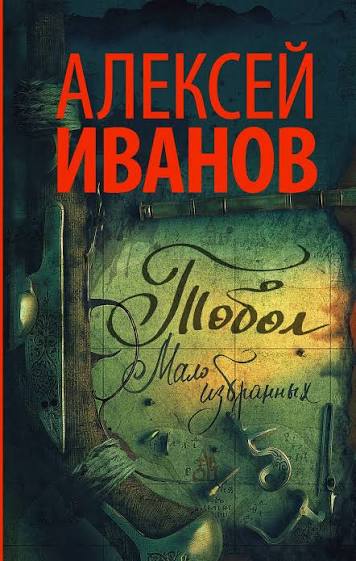
«Тобол» (Tobol)
In eighteenth-century Siberia, several groups of characters face political, religious and personal conflicts during the reign of Peter the Great. Their stories intersect across the region.
The novel is full of Siberian place names, military ranks and eighteenth-century institutions. A list of characters and locations will help you follow its many storylines.
Lyudmila Ulitskaya (Людмила Улицкая)
Lyudmila Ulitskaya is listed in Russia’s register of foreign agents (since 1 March 2024). The books below are marked 18+ in the checked editions.
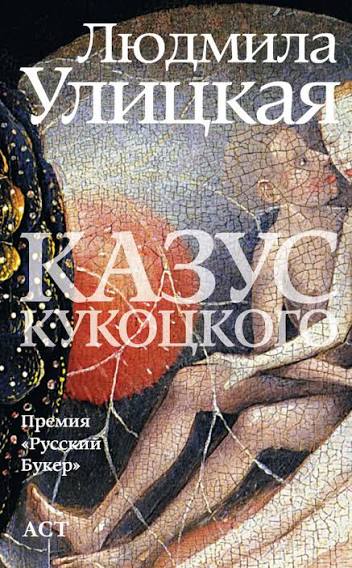
«Казус Кукоцкого» (The Kukotsky Case)
Pavel Kukotsky, a gifted doctor, works in Soviet Russia as political events and family conflicts reshape the lives of those around him. The novel follows several characters across generations.
Medical terminology sits alongside Soviet history and domestic conversations. With several narrative perspectives and a long span of time, it calls for sustained reading at C2.
Status: Russian Ministry of Justice ↗
Where to start at C2
«Лавр» explores medieval life and faith through a changing literary language. It helps to note unfamiliar historical expressions as you read.
«Generation „П“» is full of advertising slogans and 1990s slang. «Чапаев и Пустота» moves into philosophy and uncertain realities. In «Почерк Леонардо», Rubina changes narrative voices; Ivanov’s «Тобол» follows a large cast across eighteenth-century Siberia.
Ulitskaya’s «Казус Кукоцкого» follows a doctor and his family through Soviet history, with medical vocabulary and several narrators.
What to remember
- ✓Start with a sample
Test the actual language before committing to a full novel.
- ✓Practise real dialogue
Look for shortened sentences, nicknames and everyday expressions.
- ✓Keep historical context handy
Novels about different periods may need notes on events and institutions.
- ✓Read at your own pace
The suggested level is a starting point, not a rule about what you must be able to finish.
What to learn next
For older Russian prose, see my reading guide to Russian classics from A1 to C2.

Want to read Russian books with more confidence?
In our lessons, we can work through short extracts and practise the vocabulary and grammar you meet while reading.