Some games made in Russia pay close attention to ordinary places: a courtyard in winter, a village garden, an apartment with faded wallpaper. If you have spent time in Russia, you may recognise the details.
Others lead you into towns hit by plague, forests full of spirits or an imaginary Soviet future with robots. History and folklore appear throughout, often in fictional or exaggerated form.
I've included games and visual novels ranging from relaxed exploration and strategy to horror. You can play many of them without knowing Russian, although the language options are different for each game.
Some settings look like places you might recognise in Russia; others are imaginary towns, supernatural worlds or alternate history. Several games contain violence, frightening scenes or adult themes. Most were made by Russian developers or teams with Russian roots. Check the store page for language options and content warnings.
Everyday life: homes, cities & countryside
These games take you into apartments, onto the Moscow Metro, out to the countryside and down to the river. Some are playful and relaxing; It’s Winter is much quieter and lonelier.
Panelka · Панелька

Choose wallpaper, move furniture around and decorate an apartment or garage. You can also arrange small everyday objects to make each space feel lived-in.
The furniture, room layouts and decorations look like those found in many apartments in the late 1980s and early 1990s. In Russian, панелька is an informal name for an apartment building made from prefabricated concrete panels.
SchoolBoy Runaway

A schoolboy is grounded after getting a bad grade. Explore the house, hide from his parents, solve puzzles and find a way to sneak out to meet friends without getting caught.
The rooms, furniture and everyday objects may look familiar if you’ve spent time in Russia. The story also shows how important school grades can be to parents. The parents in the game can be abusive, and their behaviour is exaggerated for the story.
DACHA · Дача
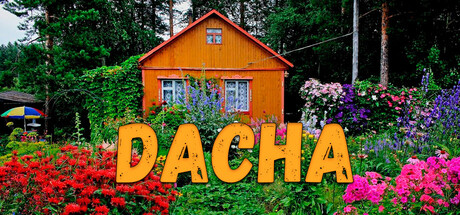
Spend the summer at a country house. You can grow vegetables and flowers, pick apples, make compote and grill kebabs. There are chores too, from cleaning up to fixing the fence.
Vegetable gardens, homemade preserves and cooking outdoors are all part of the dacha summer shown in the game.
Metro Simulator 2
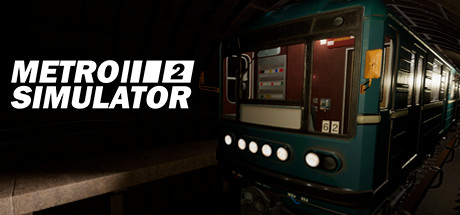
Drive a train on Moscow Metro Line 6. In free mode, you can pick your starting station and route. Other scenarios have you following timetables, listening to the dispatcher and handling situations that call for careful driving.
The game recreates 24 stations on the Kaluzhsko-Rizhskaya line. You can see how metro station design changed over the years.
Russian Fishing 4 · Русская рыбалка 4
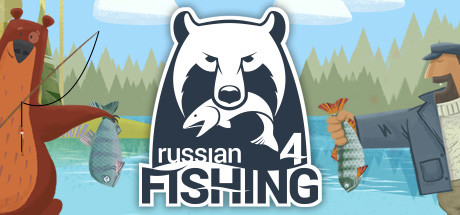
Choose your fishing gear and find a good spot. Weather and time of day affect what you catch, and you can fish from the bank or a boat. As you play, you improve your skills, equipment and techniques.
The Russian locations show rivers and lakes where people go fishing. You can also fish in places outside Russia.
Russian Village Simulator · Симулятор русской деревни

Move to a village and get on with the daily jobs: grow vegetables, care for animals, fish, pick mushrooms and berries, chop firewood and fix up your house. Most of the game is spent doing these practical tasks.
You'll see vegetable plots, preserved food, mushroom picking, firewood and a village bathhouse, or banya.
It’s Winter · ШХД: ЗИМА
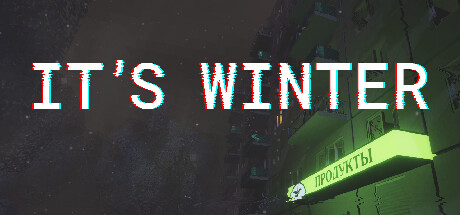
Walk around a snowy housing estate, return to your small flat or simply look out at the grey sky. There are no quests or mysteries to solve. You decide where to go and how long to stay.
The little kitchen, radiator, worn stairwell and large courtyard will look familiar to people who have spent time in post-Soviet apartment blocks.
Small-town stories & memories
Bright Lights of Svetlov looks at family life in a Soviet town in the mid-1980s. Know by Heart... follows old friends in a small Russian town, while Kujlevka brings an alien encounter to a village in 1992.
Bright Lights of Svetlov

Follow an ordinary family in a fictional Soviet industrial town in the mid-1980s. You explore their home, take part in everyday routines and gradually learn about the difficulties they face.
Panel apartment blocks, repetitive jobs and familiar household routines help recreate Soviet provincial life. The game depicts one family's fictional experience, rather than a complete picture of life in the USSR.
Know by Heart... · Помни...

Misha has a familiar routine in a quiet Russian town. Then an old school friend comes back, and he meets up with people he grew up with. Their reunion brings back memories of the past.
You can still see traces of the Soviet era in the streets and public spaces. The story takes place around the turn of the twenty-first century.
Kujlevka · Кужлёвка
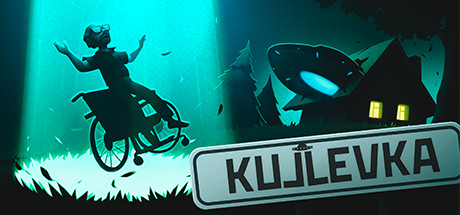
A flying saucer crashes into the home of a collective-farm chairman. It's 1992, and this village has become the first place on Earth to meet the visitors. What happens next depends on your choices.
The collective farm is struggling, and money is tight. These problems reflect the upheaval of the early 1990s, and the story has plenty of social satire.
Horror in familiar places
A familiar apartment, a family home or a street you pass every day can become frightening in a horror game. These stories often start in places that look completely ordinary.
Uncanny Tales: 1992

Fourteen-year-old Anton is left alone in his grandmother's apartment after his family moves to a small town. It's autumn 1992, and rumours of missing children make even a walk through the neighbourhood unsettling.
The furniture and decor help place the story in a small Russian town in autumn 1992, soon after the Soviet Union collapsed.
September 7th
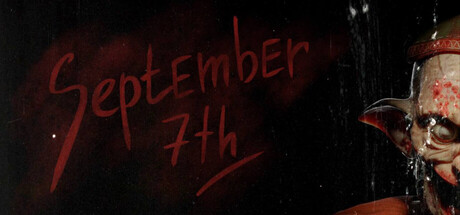
The game takes place in an ordinary home decorated for the winter holidays. As you move through the rooms, the atmosphere gets more and more disturbing.
The apartment is decorated for New Year, one of the main family holidays in Russia.
From the Darkness
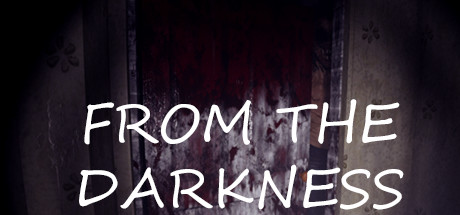
You go to your late grandfather's empty apartment to collect a family photo album. Once inside, the rooms and corridors start to feel threatening, and getting out isn't as easy as you expected.
Old wallpaper, furniture, narrow corridors and family keepsakes give the apartment a Soviet-era feel.
No, I'm not a Human
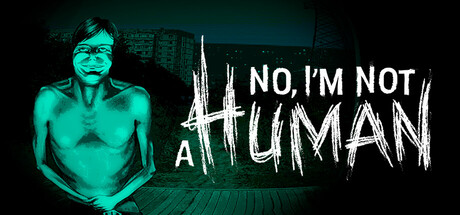
A disaster makes the streets deadly in daylight. At night, strangers knock on your door asking for shelter. Some are ordinary people; others are dangerous Visitors who look human. Talk to your guests, look for warning signs and decide whom to trust.
The patterned wallpaper, older furniture and residential surroundings evoke everyday post-Soviet life. Look for a jar of чайный гриб (kombucha), a familiar homemade drink that also serves as a save point.
Tiny Bunny · Зайчик
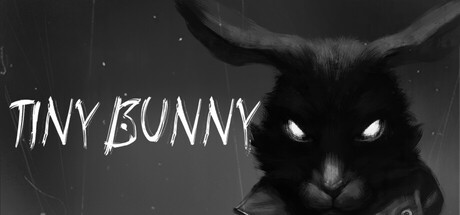
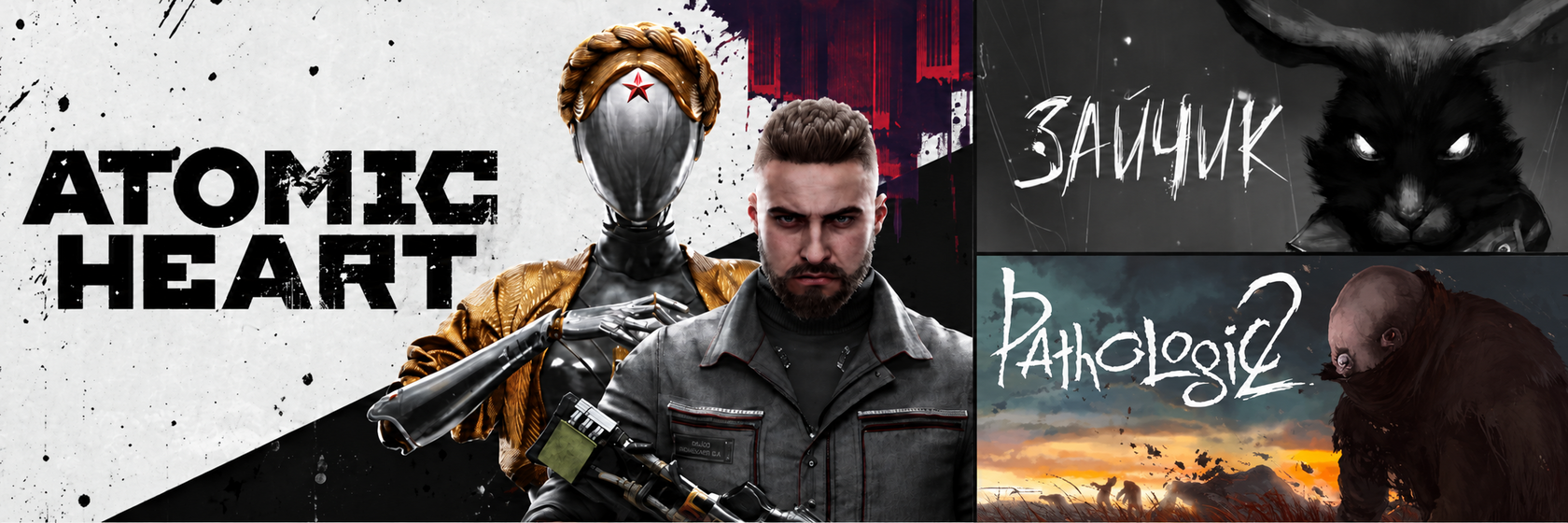
Based on a short story by Dmitry Mordas, Tiny Bunny is set in a remote Russian village in the late 1990s. The story follows twelve-year-old Anton, who moves there with his family from Moscow. As local children begin to disappear, Anton meets a mysterious girl wearing a fox mask and her animal-masked friends. He decides to investigate the disappearances and uncover the village's secrets.
Snow, school friendships and scary stories passed between children are part of the game's late-1990s provincial setting. These ordinary details make the Russian village setting feel familiar, even as the story turns into horror.
Folklore, fairy tales & forest legends
Here you will meet figures from fairy tales, spirits from regional traditions and creatures said to live in the forest. Each game tells these stories in its own way.
Black Book · Чёрная книга
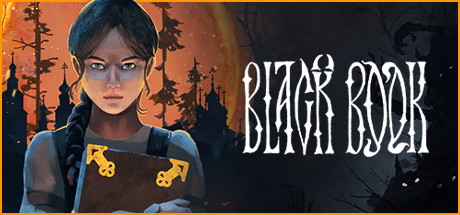
Vasilisa is a young sorceress travelling between villages and the world of spirits. You talk to local people, make difficult decisions and use cards to fight. Regional folk beliefs are central to the story.
The spirits, rituals and village stories come from traditions associated with the Perm region and the Russian North. The game is a good starting point if you are curious about regional folk beliefs, witches and the spirits that appear in Russian village stories.
Deathless. The Hero Quest · Бессмертный. Сказки Старой Руси
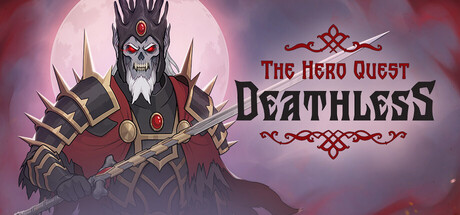
Choose one of four heroes — Vasilisa the Wise, Dobrynya Nikitich, Alyosha from Kitezh or Varvara the Fair — and travel through a magical world. Build a deck of cards, collect relics and use different strategies to defeat enemies and complete each hero's quest.
The heroes and magical creatures draw on Russian fairy tales and epic traditions. Dobrynya Nikitich is a bogatyr, a legendary warrior from Russian epics; Vasilisa the Wise is a familiar fairy-tale name. These characters are reimagined for a fantasy game.
One-Eyed Likho · Лихо Одноглазое

Try to escape a fate tied to Likho. You'll solve puzzles and meet strange characters as you travel through a bleak fairy-tale world.
Likho is a one-eyed figure linked with misfortune in Slavic folklore. The game takes that old folk figure and builds a dark, unsettling story around it.
Vasilisa and Baba Yaga · Василиса и Баба Яга

Vasilisa has to make a dangerous journey through the forest to meet Baba Yaga. Based on the folk tale Vasilisa the Beautiful, the game uses hand-drawn art and short interactive challenges.
Baba Yaga, dangerous forests and household chores are familiar elements of Russian fairy tales. The story is also a way to recognise traditional fairy-tale characters and the tasks they give to heroes.
The Mooseman · Человеколось
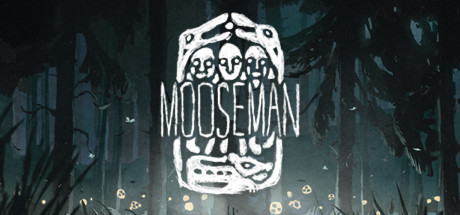
Travel through three layers of a mythical universe, spotting spirits and collecting artefacts linked to ancient beliefs. The simple drawings and slow pace make the journey feel like an old legend.
The bronze animal figures and other imagery come from Komi and other Finno-Ugric traditions, including cultural material from the Perm region.
The Sin · Грех
This visual novel follows a family in a village where more and more residents are leaving. Strange events and local rumours raise the possibility that something supernatural is happening.
The witch stories come from local folk beliefs. The creators have said they drew on field research and collected accounts of supernatural beliefs.
Banebush · Тварюк
Alexei is fleeing pursuit when memories of his childhood village begin to return. He remembers his grandmother's frightening stories, and the nearby forest takes on a new meaning.
Tvaruk is the name of a local leshy, a forest spirit from Russian folklore.
Reimagined Russia: alternate pasts & strange worlds
These games borrow familiar places and images from Russia and the Soviet period for fictional stories: life after an epidemic, a town hit by plague and versions of history that never happened.
Atomic Heart

It's 1955 in an alternate Soviet Union where robotics has advanced far beyond real history. When the systems start to fail, the situation quickly gets out of control.
You'll see monumental buildings, posters, old-style machines and music inspired by Soviet design and ideas about scientific progress. Look out for the public spaces and propaganda-style imagery: they borrow from Soviet visual culture, even though the robots and events belong to an alternate history.
Pathologic / Pathologic 2 · Мор. Утопия / Мор
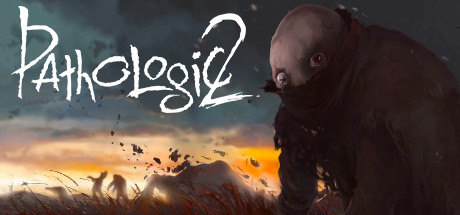
A deadly plague hits an isolated town. In Pathologic 2, you play a doctor with twelve days to help its residents. The original game follows the same crisis from several points of view.
The town has medical and public buildings, a social hierarchy and customs inspired by the steppe. The town itself and its traditions are fictional.
INDIKA · Индика
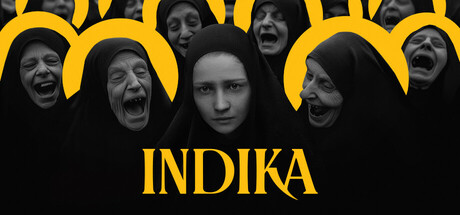
A young nun leaves her monastery and travels through a bleak, imaginary version of imperial Russia. Along the way, she struggles with religious visions and life outside the monastery. The story mixes drama, satire and unsettling fantasy.
The monasteries, provincial buildings and religious language refer to late imperial Russia. Orthodox imagery also shapes the atmosphere, though the story is deliberately distorted and is not a historical account.
35MM
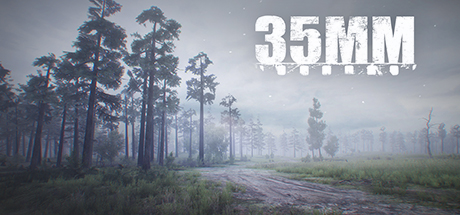
After an epidemic, two survivors travel through an almost empty world. They pass ruined buildings, forests and roads, finding traces of the people who once lived there.
The roads, settlements and infrastructure resemble places in Russia and the wider post-Soviet region.
Metro Exodus
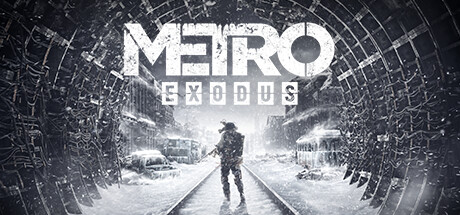
Based on Dmitry Glukhovsky's Metro novels, the game follows Artyom as he leaves the Moscow Metro and travels across post-apocalyptic Russia aboard the Aurora train.
The journey takes you through ruined settlements, forests and railway stations. Familiar Russian landscapes appear in a fictional world devastated by nuclear war. The Moscow Metro and the long train journey are central to its Russian setting.
Strategy & history
Prefer strategy games? Here you can fight battles in medieval Rus, build a Soviet-style city or make decisions for the USSR in the 1980s.
Age of Empires IV

Build towns, collect resources and lead armies. The Rise of Moscow campaign takes you through medieval Rus, including the Mongol invasion and Moscow’s growing power.
You’ll see wooden forts, trade and battles in medieval Rus. Some historical events are simplified for the campaign.
Workers & Resources: Soviet Republic
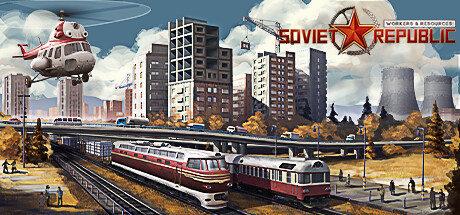
Build towns, factories, roads and railways. You also need to manage housing, transport, production, schools and hospitals.
There are Soviet-style apartment blocks, trolleybuses, factories and public buildings. The republic itself is fictional.
Crisis in the Kremlin: The Cold War · Кризис в Кремле: Холодная война
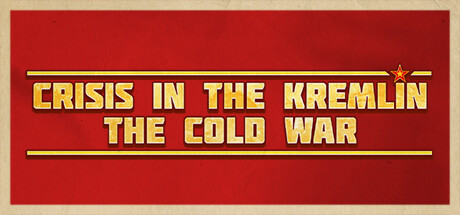
You run the USSR in the 1980s, dealing with the economy, domestic politics and relations with other countries. Your decisions determine what happens to the country.
The game includes Soviet institutions and Cold War events, but its endings can differ from what happened in real life.

Which game should you start with?
Start with whatever interests you most. There's a big difference between decorating an apartment and playing a horror game, so this quick guide may help:
| Interested in... | Try... |
|---|---|
| Everyday life | Panelka, SchoolBoy Runaway, DACHA, Russian Fishing 4, Russian Village Simulator, It’s Winter |
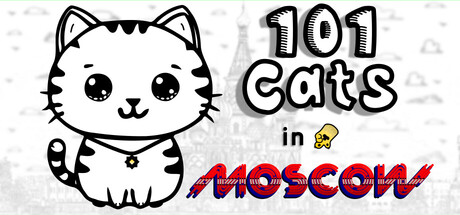
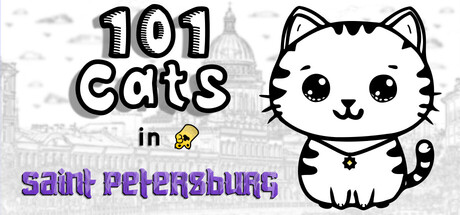
| Moscow & Saint Petersburg | 101 Cats in Moscow, 101 Cats in Saint Petersburg, Metro Simulator 2 |
| Hidden objects & puzzles | 101 Cats in Moscow, 101 Cats in Saint Petersburg, Hidden Objects: USSR |
| History & strategy | Age of Empires IV, Workers & Resources: Soviet Republic, Crisis in the Kremlin: The Cold War |
| Small-town stories | Bright Lights of Svetlov, Know by Heart…, Kujlevka |
| Russian folklore | Black Book, Deathless. The Hero Quest, One-Eyed Likho, Vasilisa and Baba Yaga, The Mooseman, The Sin, Banebush |
| Horror & unsettling worlds | Uncanny Tales: 1992, September 7th, From the Darkness, No, I'm not a Human, Tiny Bunny, The Sin, Banebush, 35MM, Metro Exodus, Pathologic / Pathologic 2, INDIKA, Atomic Heart |
Can't decide? Pick one at random.
Can video games help you learn Russian?
Yes. You can pick up words and expressions as you follow a story, read dialogue or explore a room. Here are seven ways to practise while you play.
7 ways to practise
Pick a game for your level
If you are just starting, choose games with simple menus and objects you can name. For more reading practice, try Tiny Bunny, Banebush or The Sin.
Before buying, check the menu, subtitle and audio languages separately. They may not all be available in Russian.
Listen and read together
If the game offers Russian audio and subtitles, listen to a line, read it and play it again. Try saying it aloud.
If listening is too difficult, start with the written Russian.
Collect useful phrases
Write down phrases you might actually use. Pay attention to who says them and in what situation.
Keep a short vocabulary list
Pick 5–7 expressions each time you play. Note what they mean and where you heard them, then look over the list before playing again.
Describe your actions aloud
Pause now and then to describe what you see or what your character is doing. Later, try explaining a choice or guessing what will happen next.
Notice how characters speak
Notice when characters use ты or вы, how they make requests and which words they use when they are upset or excited.
Be careful with slang, old-fashioned phrases and dramatic lines from horror games. People may not speak like that in everyday situations, so check a phrase before using it.
Look up things that catch your eye
Curious about something you see? Read a little about the apartments in Panelka, dacha traditions in DACHA or folk beliefs in Black Book.
Remember that games often change or exaggerate real history and customs.
- Why is there a carpet on the wall?
- What is a дача?
- Why do people pick mushrooms?
- Where do the spirits in Black Book come from?
A simple 20-minute practice routine
Even a short gaming session gives you time to practise a little Russian.
Follow the story.
Pay attention to Russian words and dialogue. Write down a few phrases.
Try to remember the phrases and describe what happened.
You don't have to translate every line. Enjoy the game, and try something harder when you're ready.
What to learn next
Keep exploring Russian culture: discover classic Russian books by language level or try an interactive quiz about Slavic folklore.
Want to understand more Russian?
In my Russian lessons, we can use stories, game dialogue and cultural topics you enjoy. We'll choose materials that suit your level.