Some Russian-made games spend a surprising amount of time in ordinary places: snowy courtyards, village gardens and flats with faded wallpaper. These small details can feel very familiar to people who grew up in Russia.
Others take you into plague-stricken towns, forests full of spirits or a Soviet future populated by robots. They draw on Russian history and folklore, then take the stories in directions of their own.
I've picked 23 games and visual novels, from quiet exploration to full-scale horror. You can enjoy many of them without speaking Russian, though the language options differ from game to game.
The settings range from recognisable Russian places to fictional towns, supernatural worlds and alternative history. Several games contain violence, frightening scenes or adult themes. Most were made by Russian developers or teams with Russian roots; in a few cases, the setting is easier to identify than the team's background. Check each store page for available languages, content warnings and regional availability. These games offer artistic impressions of Russia, not factual guides to life there today.
What kind of Russia will you see?
Cosy rooms, summer gardens and quieter adventures
Decorate a flat, search for cats in Moscow, spend a summer at the dacha or explore transport and fishing. These five games focus on everyday interests, with room to look around and enjoy the details.
Panelka · Панелька

Arrange furniture, choose wallpaper and build a cosy apartment or garage. You can experiment with layouts and small household objects, creating rooms that look as though someone has just stepped out to make tea.
The apartment plans, furniture and decorations evoke homes of the late 1980s and early 1990s. Look at how a room is organised and which objects give it a familiar, lived-in feeling. Russian and English interfaces are available. With little emphasis on dialogue, this is a gentle starting point for naming furniture and describing rooms in Russian. Its interiors are shaped by nostalgia.
Hidden Pets: 101 Cats in Moscow
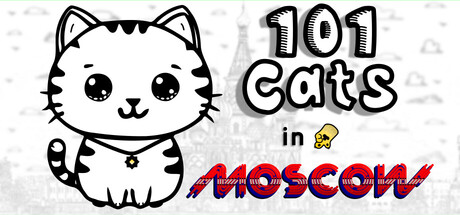
Search a hand-drawn city scene for 101 cats. Click each one you spot, zoom in to inspect small details and enjoy the quiet soundtrack as you work through the picture.
Moscow provides the visual theme for this illustrated puzzle. Spend a little time looking at the buildings and city details between discoveries; the scene offers a playful impression of the city. Steam lists Russian and English interfaces. There is little language to follow, so you can enjoy the game as a beginner. For extra practice, describe where a cat is hiding using simple Russian phrases.
DACHA · Дача
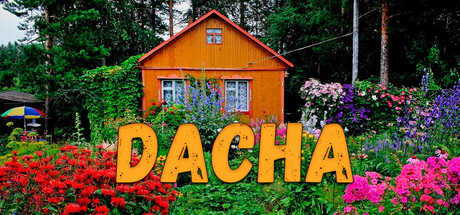
Spend time at a summer cottage: plant vegetables and flowers, pick apples, make compote and grill kebabs. Alongside gardening, there are small jobs around the house and garden, including cleaning and repairing the fence.
The vegetable beds, homemade preserves and outdoor cooking introduce the routines associated with a Russian dacha. Notice how growing food, practical work and time outdoors all share the same small plot. Russian and English interfaces and subtitles are available; Steam does not list full voice acting. The garden and household tasks give you a reason to notice words for food, plants, tools and everyday actions.
Metro Simulator 2
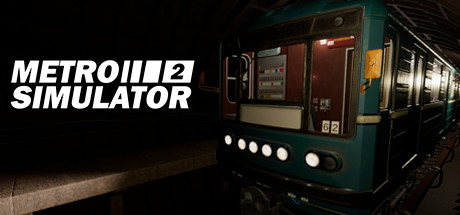
Take the driver's seat on Moscow Metro Line 6. Choose a starting point and route in free mode, or follow scenarios with dispatcher instructions, timetables and situations that require careful driving.
The game recreates 24 stations on the Kaluzhsko-Rizhskaya line, together with its tunnels and trains. The station designs reflect different periods in the metro's development, offering a view of an everyday part of Moscow. Steam lists Russian and English interfaces, audio and subtitles. Try following the Russian instructions and recognising station names. The controls and operating procedures take some learning, so this is best suited to an interest in transport.
Russian Fishing 4 · Русская рыбалка 4
Choose your tackle, find a fishing spot and learn how weather and time of day affect your catch. You can fish from the shore or a boat and gradually develop skills, equipment and techniques.
The Russian locations offer a view of riverside landscapes and the pastime of spending hours by the water. The wider game also includes destinations outside Russia, so check which location you are exploring. Russian and English interfaces are available. Expect specialist words for fish, tackle and fishing methods. The game is free to play with optional in-app purchases and requires an internet connection; progressing through its systems can take patience.
Russian towns, apartments and everyday spaces
These games take you into apartment blocks, courtyards and village gardens. One lets you look around at your own pace; another gives you everyday chores; several turn familiar interiors into horror settings.
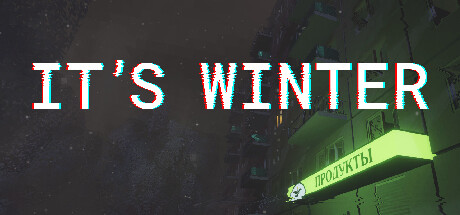
It’s Winter · ШХД: ЗИМА
You spend time in a snowy residential area, walking between apartment blocks and a small flat under a grey sky. There are no quests or mysteries to solve. You can go outside, come home and look around at your own pace.
Notice the little kitchen, the radiator, the food in the fridge, the worn stairwell and the wide, empty courtyard. These ordinary details of post-Soviet apartment life give the game's silence its lonely atmosphere. There's little conventional dialogue, so you'll mostly be observing places and objects.
Know by Heart... · Помни...

Misha lives in a quiet Russian town where his days have settled into a familiar routine. When an old school friend returns, he reunites with people he grew up with, and their shared memories come back into focus.
The town's streets, public spaces and traces of its Soviet past feel familiar to anyone who has spent time in provincial Russia. The story captures the atmosphere of a small town around the turn of the century. The game offers Russian and English voice acting and subtitles. Its conversations make it a useful choice if you'd like to hear spoken Russian while following a character-driven story.
Russian Village Simulator · Симулятор русской деревни

You settle into a village and take care of everyday jobs: tending a vegetable garden, looking after animals, fishing, gathering mushrooms and berries, chopping firewood and improving your home. Most of your time goes into these small, practical tasks.
The game includes kitchen gardens, preserved food, mushroom picking, firewood and a village bathhouse, or banya. These are familiar parts of rural life in many places in Russia, although the game exaggerates plenty for comic effect. Steam lists Russian and English interfaces and subtitles. Look out for everyday words connected with food, farming, tools and household chores.
Uncanny Tales: 1992

Fourteen-year-old Anton moves with his family to a small town, then finds himself alone in his grandmother’s apartment. As rumours of missing children spread, the quiet streets and familiar routines begin to feel increasingly unsettling.
Pay attention to the furniture, notes, apartment interiors and quiet streets. The autumn 1992 setting places the story in the uncertain years just after the Soviet Union's collapse. This is part of an episodic horror series, with conversations and clues to piece together.
September 7th
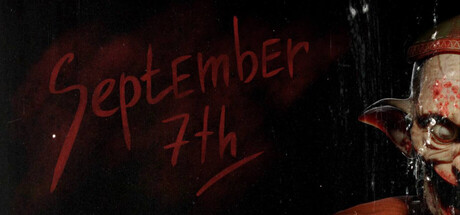
The game takes place in an ordinary residential setting decorated for the winter holidays. The rooms feel less comfortable the longer you stay.
Notice the apartment interiors and New Year decorations. New Year is a major family holiday in Russia, and the game gives its familiar festive imagery a disturbing twist. Expect sudden scares and unsettling scenes.
From the Darkness
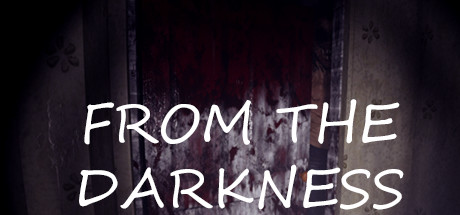
You enter your late grandfather’s abandoned apartment to collect a family album. Once inside, the small rooms and corridors begin to feel threatening, and leaving becomes far more difficult than expected.
The wallpaper, old furniture and narrow corridors make the apartment feel lived-in, even though it's empty. The family belongings left behind add to the unease. Most of the tension comes from exploring the rooms, with very little dialogue to practise Russian.
35MM
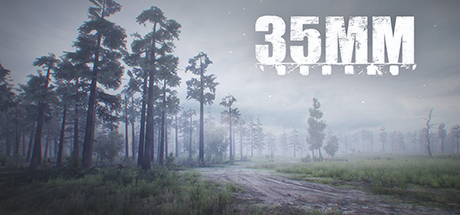
Two survivors travel through a world emptied by an epidemic. Along the way, they pass ruined buildings, forests and roads, finding traces of the people who once lived there.
The roads, infrastructure and deserted settlements recall places across Russia and the wider post-Soviet region. Abandoned household objects make the empty world feel especially eerie.
Childhood, forest mysteries and visual novels
Forest paths, childhood memories and family stories run through both visual novels in this section. Their settings and approaches to horror are quite different.
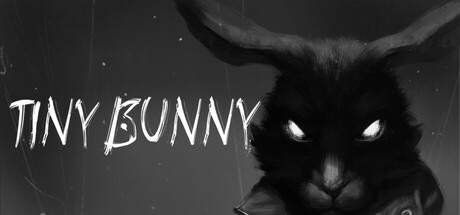
Tiny Bunny · Зайчик
Based on Dmitry Mordas's short story of the same name, this visual novel follows a boy whose family moves to a settlement near a forest. Then local children start disappearing, and rumours spread at school.
A family home, school friendships, a rural road and deep snow all help establish the setting. The children's rumours also recall the scary stories passed around at school. With Russian voice acting and English subtitles, you can listen to the characters and follow along in English. Be prepared for graphic and disturbing horror.
The Sin · Грех
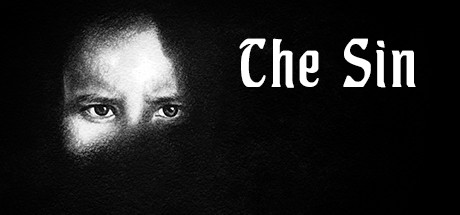
Set in a village losing its residents, this visual novel follows a family drawn into troubling events. Local rumours and the possibility of something supernatural make the story increasingly tense.
The village setting is stark, and local stories about witches shape the atmosphere. The creators have cited field research and collected accounts of supernatural beliefs as influences. You can read the story in English.
Village stories, folklore and regional mythology
There's much more to folklore from Russia than a handful of familiar fairy-tale characters. These games explore local beliefs, old stories and images associated with particular regions.
Banebush · Тварюк
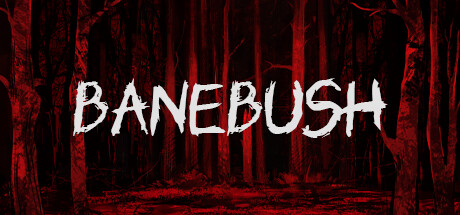
While fleeing pursuit, Alexei is drawn back into memories of the village where he spent his childhood. His grandmother's frightening stories, haunting memories and the forest nearby begin to take on new significance. The visual novel has several endings.
Visits to a village, stories told by older relatives and childhood fears are central to the game. Its stark black-and-red artwork gives these memories a nightmarish look. Steam lists Russian voice acting and text, as well as an English interface and subtitles. There's plenty to read across the branching story, though the language and disturbing imagery can make it challenging.
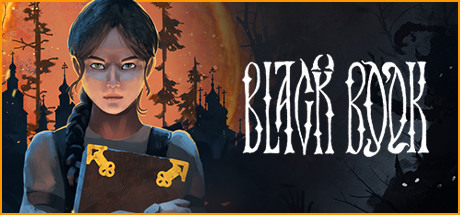
Black Book · Чёрная книга
Vasilisa, a young sorceress, moves between villages and the supernatural world. You talk to people, make difficult choices and fight using cards in a story built around regional folk beliefs.
You'll meet spirits, rituals and village stories connected with the Perm region and the Russian North. The game gives space to regional traditions that rarely feature in introductions to Russian folklore. The English translation helps you follow the folklore, while the Russian dialogue contains expressions tied to those beliefs.
One-Eyed Likho · Лихо Одноглазое

You try to escape a fate linked to Likho, a one-eyed figure associated with misfortune in Slavic folklore. Along the way, you solve puzzles and encounter strange characters in a bleak fairy-tale landscape.
Likho is less widely known internationally than Baba Yaga. The game's dark imagery comes from old stories, and its setting is a long way from present-day Russian streets and towns. Morteshka also made Black Book; the two games explore folk traditions through very different kinds of gameplay.
Vasilisa and Baba Yaga · Василиса и Баба Яга

Vasilisa undertakes a dangerous journey through the forest to meet Baba Yaga. The game reimagines the folk tale Vasilisa the Beautiful with hand-drawn imagery and short interactive challenges.
Baba Yaga, the dangerous forest and household tasks are familiar motifs in Russian fairy tales. Look for how the game uses them as the story unfolds. The game includes English text and Russian voice acting.
The Mooseman · Человеколось
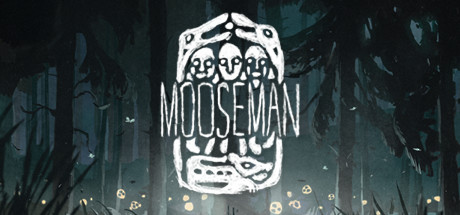
You travel through three layers of a mythical universe, seeing spirits and collecting artefacts inspired by ancient beliefs. Its spare illustrations and measured pace give the journey the feel of an old legend.
Look closely at the bronze animal figures and imagery inspired by Komi and other Finno-Ugric traditions. The team drew on cultural material from the Perm region, reflecting some of the many traditions found across Russia. If the setting interests you, the developers' notes and regional source material are worth exploring after you finish.
Imagined Russia and alternative Soviet history
These games borrow Russian and Soviet history, architecture and imagery, reshaping them as fantasy, satire and science fiction.
Kujlevka · Кужлёвка
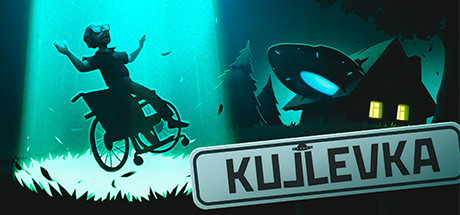
A flying saucer crashes into the home of a collective-farm chairman. As the village becomes humanity's first point of contact with the visitors, your decisions shape how this extraordinary encounter unfolds.
Village life and the upheaval of the early 1990s form the backdrop. The setting brings together a struggling collective farm, familiar rural surroundings and the absurd possibility that a small settlement might change world history. Russian and English voice acting, interfaces and subtitles are available. The humour and surreal events sit alongside economic hardship and social satire. Expect a story with darker undertones as well as comic moments.
Pathologic / Pathologic 2 · Мор. Утопия / Мор
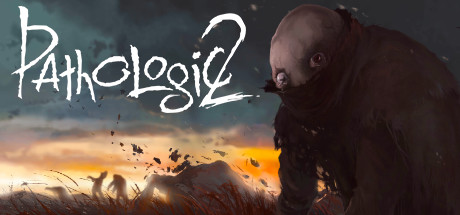
A deadly plague overwhelms an isolated town. In Pathologic 2, you play a doctor with twelve days to help its residents; the original game lets you experience the crisis from several perspectives.
The town brings together medical institutions, civic buildings, strict social hierarchies and steppe-inspired customs. Its theatrical atmosphere reflects the creators' interest in ritual and how people behave under pressure. The town, its inhabitants and their customs are fictional. Both games are demanding and often disturbing.
INDIKA · Индика
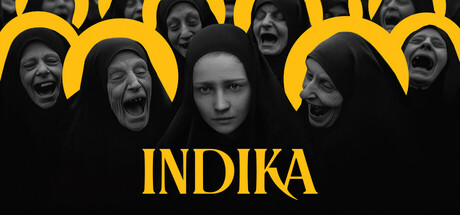
A young nun leaves her monastery and travels through a bleak, imagined version of imperial Russia. She struggles with religious visions and life beyond the monastery in a story that mixes drama, satire and unsettling fantasy.
Monasteries, provincial buildings and religious language shape the setting. Its version of late imperial Russia is deliberately distorted, but the architecture and references to religious life are recognisable. Odd Meter began in Moscow and later relocated to Kazakhstan. The game includes adult themes.
Atomic Heart

In an alternate 1955, the Soviet Union has made huge leaps in robotics. When the systems begin to fail, the resulting chaos drives the action.
The monumental buildings, posters, retro machinery and music borrow heavily from Soviet-era design and ideas about scientific progress. The robots and futuristic technology belong to the game's alternate history. Mundfish is an international studio with Russian roots.
Which game should you start with?
Your first pick depends on what you'd like to see and how much horror you're comfortable with:
| You want to see... | Start with... | Why |
|---|---|---|
| Cosy interiors | Panelka | Decorate a flat or garage with familiar post-Soviet furniture and objects. |
| A gentle Moscow-themed puzzle | Hidden Pets: 101 Cats in Moscow | Find cats in an illustrated cityscape with very little reading. |
| Summer at the dacha | DACHA | Tend the garden, prepare food and settle into summer-cottage routines. |
| Moscow transport | Metro Simulator 2 | Drive trains through 24 recreated stations on Moscow Metro Line 6. |
| Time by the water | Russian Fishing 4 | Explore fishing spots, learn techniques and discover outdoor landscapes. |
| Village humour and science fiction | Kujlevka | An alien encounter in 1992, with absurd humour and social satire. |
| Everyday spaces | It’s Winter / Russian Village Simulator | Explore a winter apartment block or the activities of a fictional Russian village. |
| Small-town life and childhood memories | Know by Heart... | A story about old friends, everyday life and a provincial Russian town. |
| Life in the 1990s | Uncanny Tales: 1992 | A small-town horror story set in early post-Soviet Russia. |
| A story-led visual novel | Tiny Bunny / The Sin | Two different horror stories: childhood fears and village superstitions. |
| Village folk stories | Banebush (Тварюк) / Black Book | Village tales and regional beliefs, from a mysterious forest to nineteenth-century folklore. |
| Historical imagination | INDIKA | A surreal take on late imperial Russia. |
| Large-scale action | Atomic Heart | Science-fiction action in an alternate Soviet 1955. |
For a particularly gentle start, choose Panelka, Hidden Pets: 101 Cats in Moscow or DACHA. If you enjoy learning how things work, try Metro Simulator 2 or Russian Fishing 4. Kujlevka adds a comic story, with some darker social themes.
Prefer something less frightening? Try It’s Winter, Know by Heart..., Russian Village Simulator, The Mooseman or Vasilisa and Baba Yaga. Check the content warnings before you choose.
Can video games help you learn Russian?
If you enjoy games, the story gives you a reason to keep reading in Russian. Visual novels such as Tiny Bunny, Banebush and The Sin have plenty of written dialogue and narration. Exploration games help connect words with objects and places, while Black Book introduces vocabulary from regional folklore.
Be prepared for colloquial speech, old-fashioned or regional words and deliberately unusual dialogue. Some games barely use dialogue; others involve a lot of reading. English subtitles don't necessarily mean there's an English voice track.
Check the languages available in your edition, then try a short scene with Russian audio and subtitles if both are offered. Note down expressions you hear more than once or need to follow the story. Then keep playing: you don't have to translate every line.
When something feels particularly Russian, it's worth looking up where it comes from: life in the 1990s, a village custom, a legend from the Perm region or something the writers invented for suspense or satire.
What to learn next
Want to explore some of these places and themes through books? My reading guides to Russian classics and contemporary fiction are arranged by language level.


Want to understand more of what you hear and read?
In my Russian lessons, we can work with stories, dialogue and cultural topics that interest you, at a level you're comfortable with.